
Los Angeles Goes for the Gold: Hunden Partners' Interview with Hilary Ash on the 2028 Olympic Games - Mixed-Use District
By Rob Hunden
Mixed-use development, venue planning, and destination real estate are essential to delivering world-class events. Discover best practices from LA28 highlight strategies for creating lasting community and economic value.
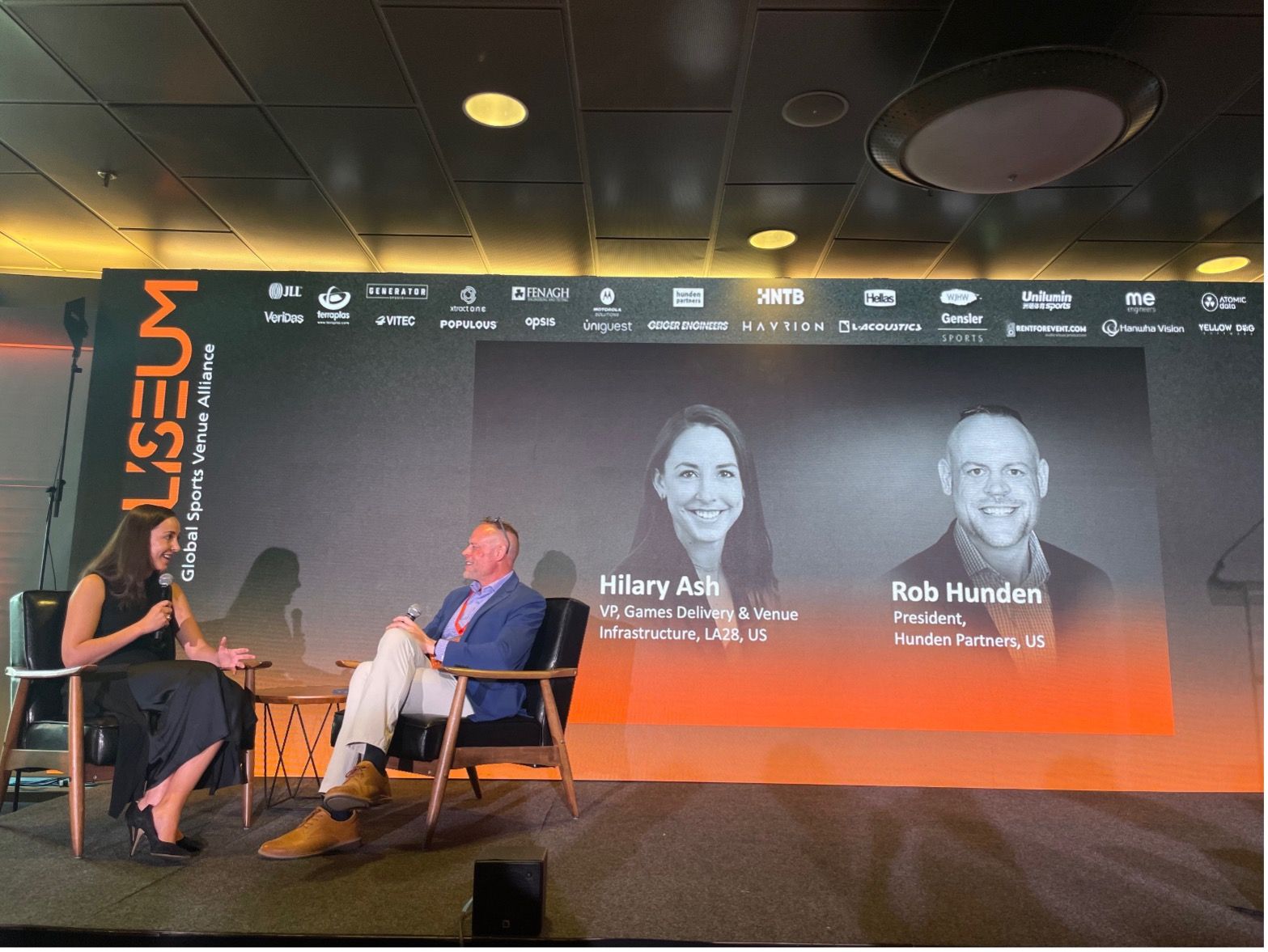
I recently had the distinct pleasure of interviewing Hilary Ash, Vice President of Games Delivery and Venue Infrastructure for Los Angeles 2028, at Coliseum Summit US to talk about the planning required for the ultimate mixed-use district.
Officially known as the Games of the XXXIV Olympiad, LA28 features several firsts. It’s the first time that a U.S. city will host the Olympic games for a third time (LA also hosted in 1932 and 1984).
It’s the first time several sports, including skateboarding and surfing, will be introduced at the Olympic level. And it’s the first time both the Olympic Games and the Paralympic Games will be featured in the same city – upping the level of planning complexity.
Mixed-Use District Best Practices
While each Olympic production is unique, there are destination real estate best practices that all Olympic committees should follow for best success. Part of Hilary’s role is overseeing development of the venue masterplan, and managing venue design, budgeting, and overlay. These steps are like any mixed-use district endeavor, and as destination real estate consultants, Hunden has advised on and managed these same steps hundreds of times. Best practices include ensuring the place exudes local authenticity, getting all stakeholders on board early, and optimizing the variety and timing of the location’s activities. LA28 is even more keen on these key steps than I would have imagined.
No New Venues for the Olympic Games
While many host cities build entirely new venues and facilities specifically for the games, no new venues were promised or needed for the Games. These costs are traditionally what have caused fiscal stress on prior host cities and countries. Hilary shared that LA28 is fitting the Games into the city and not the city into the Games. They’re focused on using existing LA stadiums and infrastructure to create an Olympic production that minimizes disruption to residents and maximizes both efficiency and enjoyment for the athletes and attendees. Los Angeles successfully utilized this strategy in 1984 and yielded a higher operating profit than any other host city to date at that time.
While no specific venues are being built for the Games, there are new facilities coming online that will be used, including for the opening and closing ceremonies. During the bidding process, the idea of SoFi Stadium and the Intuit Dome were simply that, just ideas. Now that SoFi is open and the Inuit Dome will open prior to the Games, there are even more best-in-class facilities to host the biggest events.
While 2028 may seem far away, Hilary and the entire Olympic Committee have officially entered the active planning stage. I appreciated sharing the stage with her and cannot wait to see the Olympic torch shine bright in LA in 2028.
Explore More Thought Leadership

After 30 Years, I Believe We Need a Better Way to Build Great Places
By Rob HundenOver the past three decades, I've had the privilege of working alongside communities as they make some of the most important investment and development decisions they'll ever face. I've worked with leaders who had the courage to pursue bold ideas and have seen the lasting impact that those decisions can have on residents, businesses, and visitors for generations. Entire downtowns, campuses and communities have been transformed around the world by game-changing real estate and destination development projects. With more than one thousand projects, studies and processes completed over the past 30 years, experience becomes wisdom, then ideally, innovation to improve outcomes.
Read more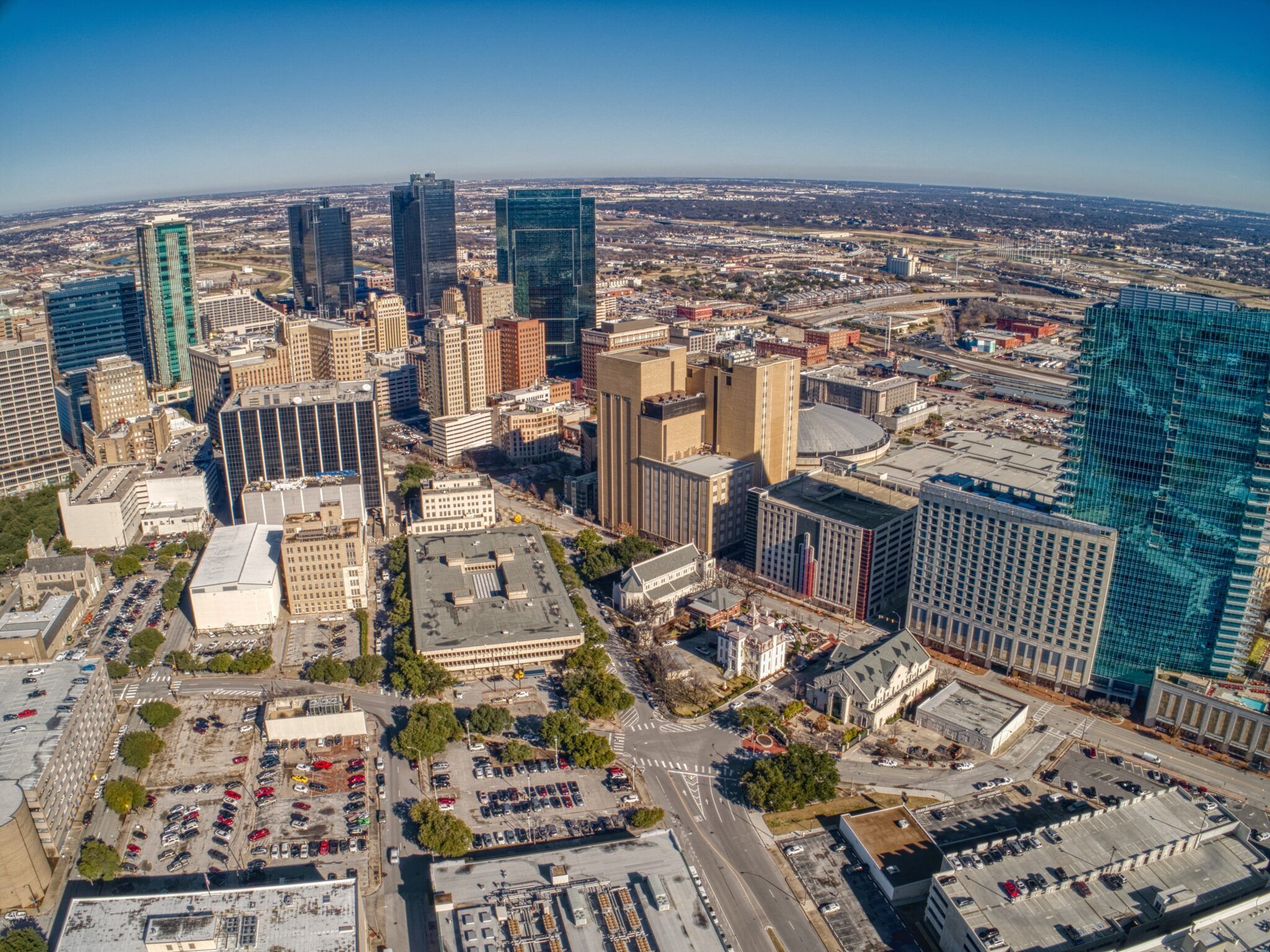
Fort Worth: Two Decades of Shaping a Destination
By Rob HundenFort Worth's destination development demonstrates how convention center expansion, headquarters hotels, mixed-use development, and long-term development advisory can drive tourism growth and economic impact.
Read more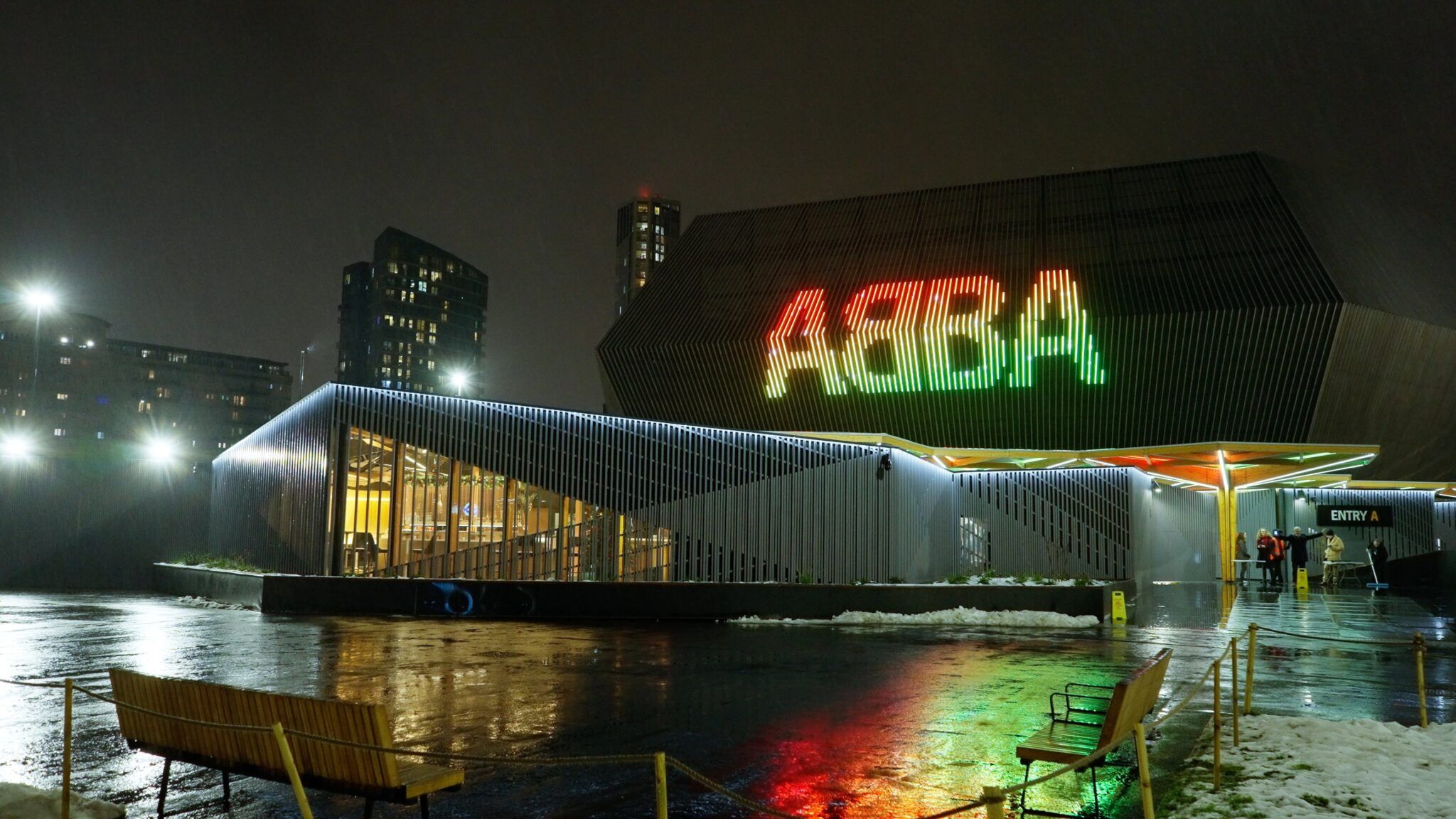
Temporary and Semi-Permanent Venues Are Becoming a Strategic Tool for Cities and Developers
By Rob HundenTemporary and semi-permanent venues are reshaping mixed-use development by accelerating district activation, reducing development risk, and creating flexible entertainment destinations with long-term economic value.
Read more